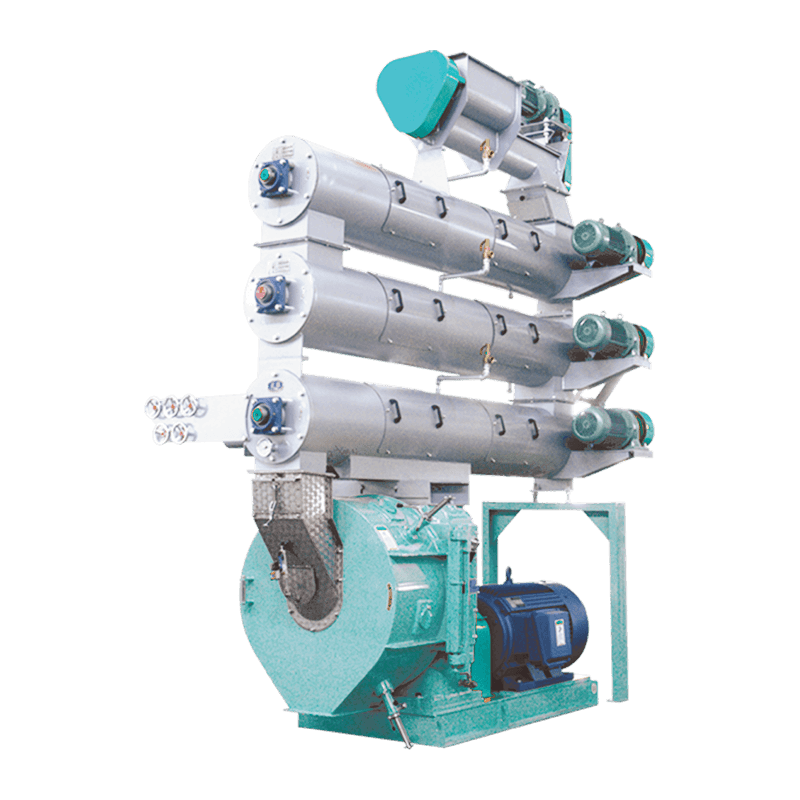
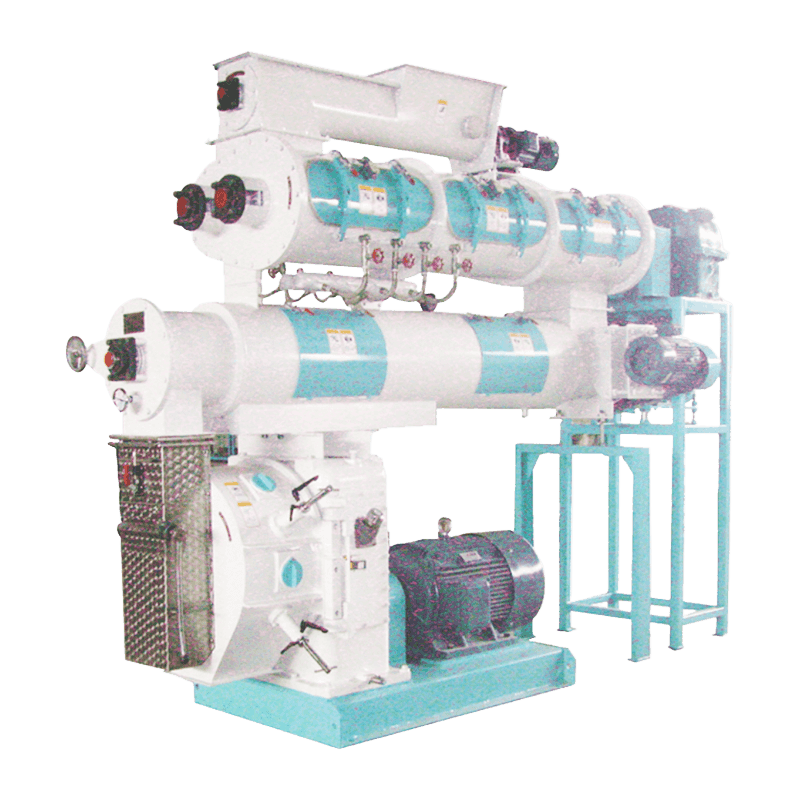
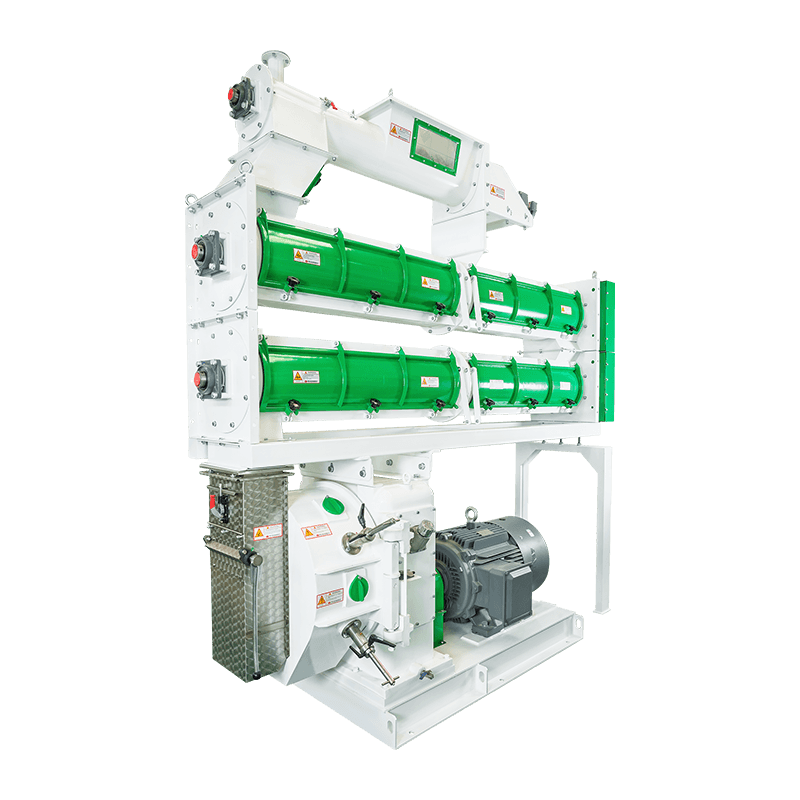
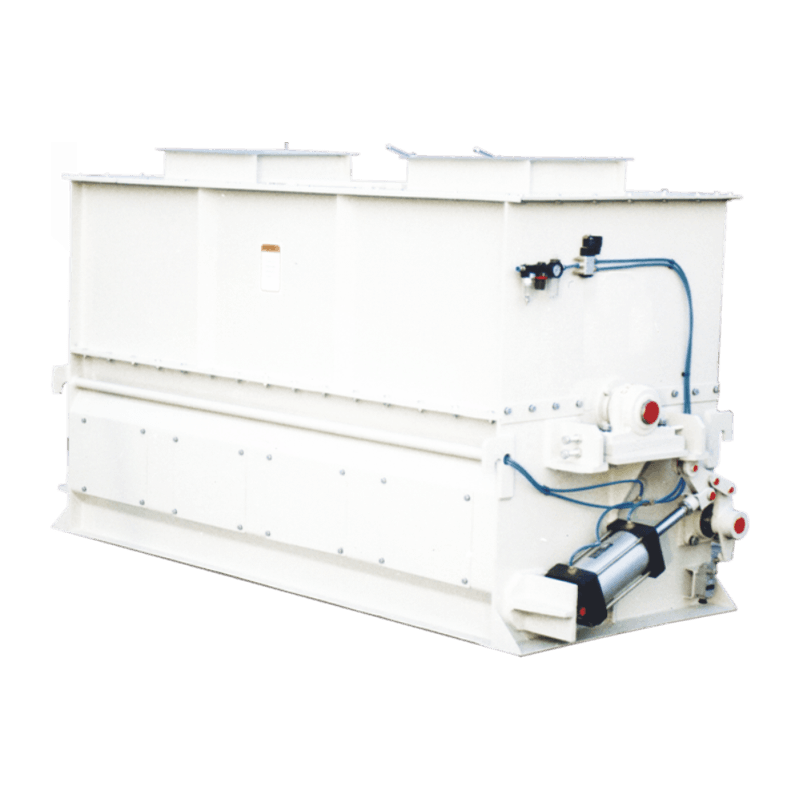
SZLH High-Grade Poultry Feed Pellet Mill
Home / Product Center / Pellet Mill / SZLH High-Grade Poultry Feed Pellet Mill
Goldlong Machinery And Engineering Co., Ltd.
PRODUCT

SZLH High-Grade Poultry Feed Pellet Mill

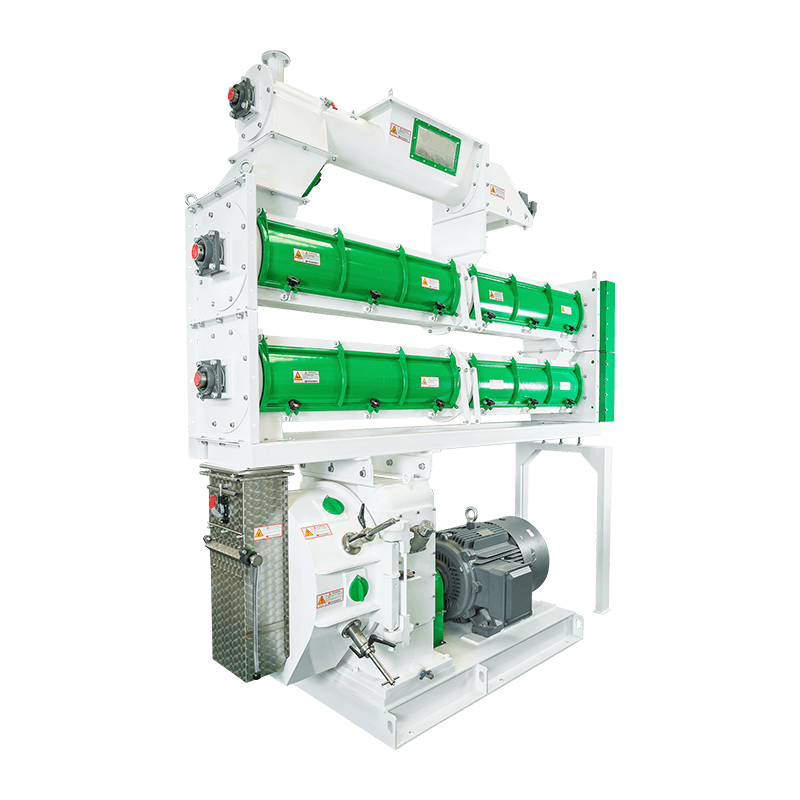
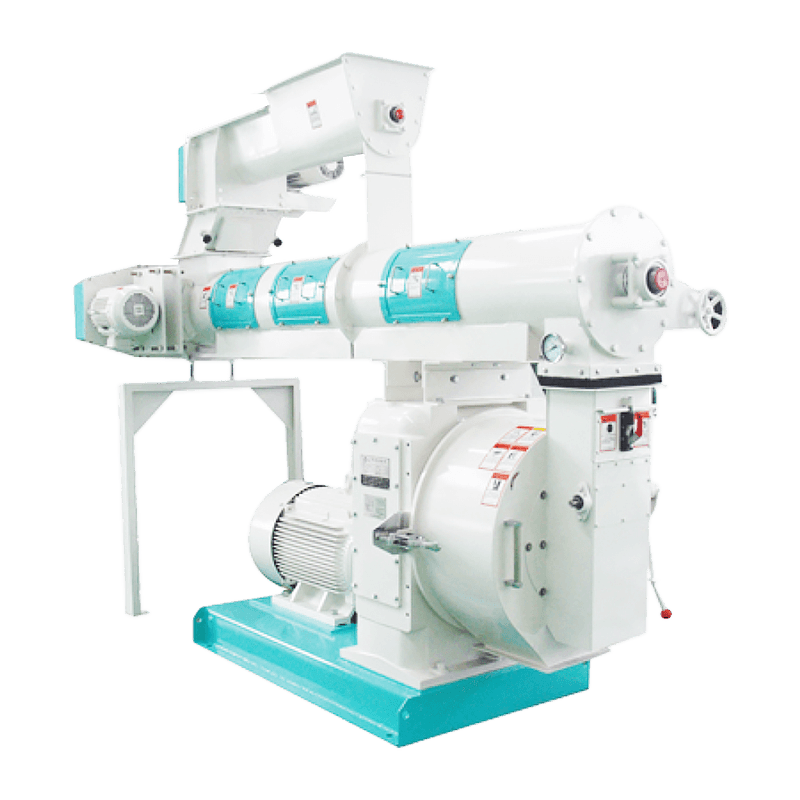
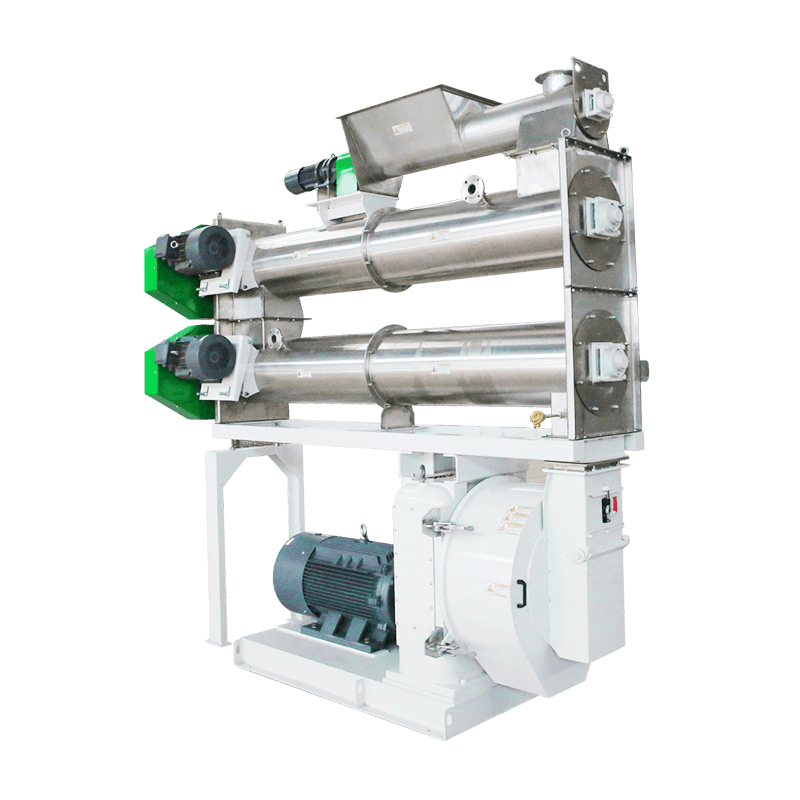
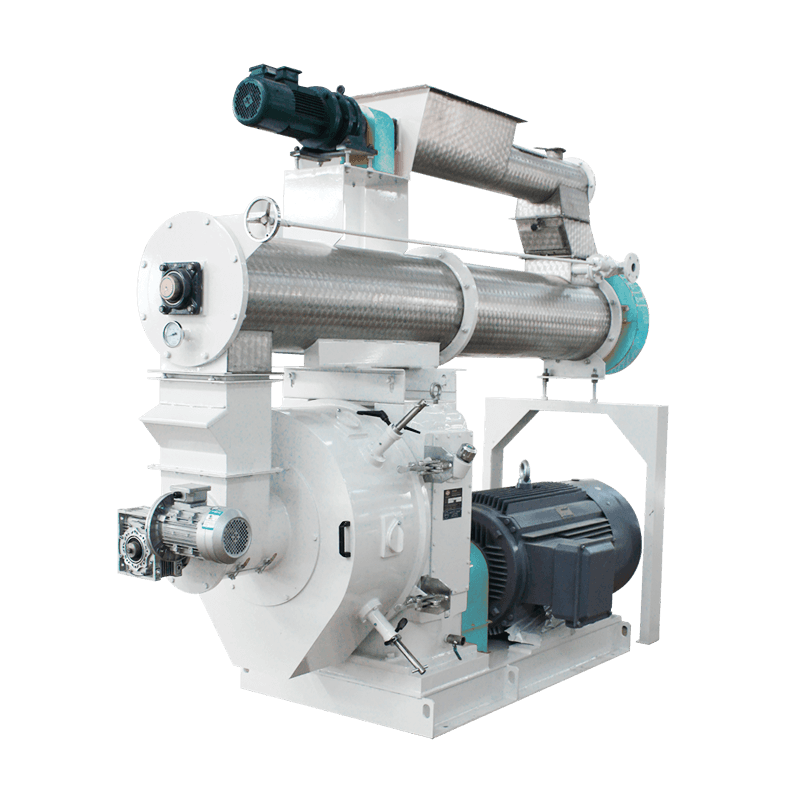
SZLH high-grade poultry feed pellet mill features an optimized rotor and wear-resistant die design, achieving rapid feed pelleting and uniform particle size. It boasts a compact structure, simple operation, and an intelligent control system, ensuring smooth and low-noise operation. The equipment is durable, energy-efficient, and adaptable to various raw materials, suitable for feed production for pigs, chickens, ducks, cattle, and sheep. It is widely used in livestock farms and feed processing plants, ensuring continuous production and product quality to meet the needs of modern animal husbandry.

Contact Us
  • Product Details
  • FAQ
  • Contact Us

Product Features:

High-Efficiency Pelletizing Design: Optimized rotor and die combination enables rapid feed pelleting with high uniformity and stable output.

Energy Saving and Consumption Reduction: A rational overall structure and efficient power transmission result in low motor energy consumption and significantly reduced operating costs.

Durable Materials: The machine body and easily worn parts are made of high-strength alloys and wear-resistant steel, extending equipment lifespan and reducing maintenance frequency.

Intelligent Operation: Equipped with an advanced control system, it features automatic start/stop, speed adjustment, and fault protection, improving operational convenience and safety.

Compact Structure: Scientifically designed, small in size, and requires little space, facilitating installation and on-site maintenance. It is also easy to clean, preventing feed residue.

Product Advantages:

High and Stable Output: Hourly production capacity can meet the needs of medium and large-scale farms, with high production efficiency and consistent pellet shape.

Strong Adaptability: Suitable for different feed formulations, processing various raw materials such as corn flour, soybean meal, and wheat bran to meet diverse farming needs.

Low Failure Rate: Precision machining and rational structural design reduce equipment failure rate, minimize downtime, and improve production continuity.

Environmentally Friendly and Safe: Low noise and minimal dust during pelleting, meeting modern environmental standards and contributing to a better production environment.

Product Applications:

Primarily used for livestock and poultry feed processing, suitable for pelleting feed for various farmed animals such as pigs, chickens, ducks, cattle, and sheep;

Applicable to feed processing plants, breeding bases, and related agricultural production enterprises, achieving efficient raw material processing and product standardization;

Suitable for everything from family farms to large-scale industrial production, supporting diversified feed research and development and production process upgrades.

Model

SZLH320

SZLH350

SZLH400

SZLH420

SZLH508

SZLH578

SZLH678 

SZLH768

Capacity(t/h)

2-5

3-8

3-10

3-15

5-20

5-25

5-25

10-36

Power(kW)

37

55

75/90

90/110

132/160

185/200

200/220/250 

250/280/315

Die Inner Dia(mm)

320

350

400

420

508

572

 672

762

Die Width (mm)

87

100

120

120

155

155/200

180/210 

210/240

Feeder's Motor(kW)

0.75

1.1

1.5

1.5

1.5

1.5

2.2 

2.2

Conditioner's Motor( kW)

2.2

4

5.5

5.5

7.5

7.5/11

15 

15

Get in Touch
Each stage is handled by a professional team, ensuring projects are delivered on schedule and to the highest standards.
GET A QUOTE
Why Choose Us?
Goldlong Machinery And Engineering Co., Ltd.
ERP Management
We implement an ERP management system to efficiently control workshop operations, improve equipment utilization, and ensure stable product quality.
Goldlong Machinery And Engineering Co., Ltd.
R&D Capabilities
We continuously strengthen our technical capabilities, enabling us to develop and manufacture products based on customer drawings or samples to meet diverse requirements.
Goldlong Machinery And Engineering Co., Ltd.
Strict Quality Control
Comprehensive inspections are conducted before shipment, covering performance, stability, safety, and full system testing to ensure reliable operation.
Message *
About Us

Focus·Innovation·Integrity

Goldlong Machinery is specialized in feed machinery, grain dryer and compound fertilizer machinery, and provides the projects with turn-key basis, from design, engineering, manufacturing, installation, commissioning to after-sale service, and we also provide spare parts and the training for machinery operation, maintenance, technical support.
  • 0

    Factory Area

  • 0

    Established In

  • 0+

    Employees

What’S News.

Pay Attention To Our
Latest News and Exhibitions

View All News
  • 2026-01-16 Industry News

    Granular Grinding Process of Feed Processing Machinery

    In the production of feed processing machinery, the grinding process plays a critical role in determining product quality, production efficiency, and overall energy consumption. As feed formulations and industrial standards continue to evolve, grinding technology has become one of the core focuses in modern feed manufacturing. Classification of Grinding Processes From a practical production perspective, feed grinding processes are generally classified into single-stage grinding and two-stage grinding, depending on the number of grinding operations applied to raw materials. Single-stage grinding is widely used due to its simple process flow and relatively low equipment investment. This method requires fewer machines, occupies less space, and is easier to operate and maintain. However, its limitations are also evident. In some cases, single-stage grinding may result in uneven particle size distribution and higher power consumption, especially when processing raw materials with varying hardness or fiber content. Advantages of Two-Stage Grinding To address these shortcomings, two-stage grinding technology has been developed and applied in certain feed production scenarios. This process allows raw materials to be ground in two consecutive steps, resulting in more uniform particle size, higher production output, and lower overall energy consumption per unit of product. These advantages are particularly significant for high-quality compound feed production. Nevertheless, the two-stage grinding process requires greater initial equipment investment, higher installation costs, and more complex system management. As a result, its application is generally limited to large-scale or high-end feed manufacturers with higher quality requirements. Current Industry Practices At present, the majority of feed mills still rely on single-stage grinding processes, balancing cost efficiency and production needs. In compound feed production, granular materials typically account for 60%–70% of the total formulation, making the selection of appropriate grinding equipment especially important. When selecting a grinder, manufacturers usually ensure that the designed production capacity exceeds the actual production demand of the feed mill. The reserved capacity allows sufficient time for routine maintenance, inspection, and replacement of wear parts, thereby ensuring stable long-term operation. Outlook As energy efficiency requirements and feed quality standards continue to rise, grinding process optimization will remain a key direction for technological improvement in feed processing machinery. In the future, more feed manufacturers may adopt flexible or hybrid grinding solutions to achieve a better balance between investment cost, product quality, and operational efficiency.
    Learn More
  • 2026-01-16 Industry News

    Operation and Maintenance of Feed Processing Machinery

    Feed processing machinery plays a critical role in modern feed production, directly affecting production efficiency, product quality, and operational safety. After installation and commissioning are completed, users must pay close attention to proper operation and routine maintenance before the equipment is officially put into production. Before starting daily operations, operators are required to carefully read the equipment instruction manual and fully understand the machine’s structural design, working principles, performance characteristics, and operating procedures. All operations should be carried out strictly in accordance with the specified operating guidelines. In addition, routine inspections should be conducted based on operational requirements and safety precautions to ensure stable and reliable equipment performance.   Under normal conditions, feed processing machinery undergoes multiple inspections, calibrations, and performance tests before leaving the factory. Key components such as motors are sealed after inspection, and couplings are precisely aligned during factory setup. Users are strongly advised not to loosen, adjust, or modify these components without authorization, as improper adjustments may compromise operational stability and safety.   During equipment operation, regular maintenance is essential. Operators should periodically clean iron impurities from permanent magnet drums and the permanent magnet plates of feeders to prevent metal contaminants from entering the processing system. This practice helps protect downstream equipment, reduce wear and damage, and maintain consistent production quality.   At the same time, close attention should be paid to the fineness of the processed feed materials. Operators must regularly check whether the particle size of the finished product meets production requirements. If deviations are detected, appropriate adjustments or maintenance measures should be taken promptly to ensure product consistency. Industry experience shows that standardized operation combined with systematic maintenance is fundamental to achieving efficient, safe, and sustainable feed production. By strictly following operating procedures and implementing regular inspection and cleaning routines, feed producers can effectively reduce equipment failures, extend service life, and ensure stable product quality.
    Learn More
  • 2026-01-16 News

    Feed Machinery Selection and Installation

    In feed production, the proper selection and installation of feed processing machinery are essential to ensuring stable operation, consistent feed quality, and efficient production. Equipment performance directly affects output, energy consumption, and overall manufacturing costs, while also influencing feed nutritional consistency and animal feeding efficiency. When selecting feed machinery, manufacturers should base their decisions on actual production requirements, including production scale, feed formulations, and raw material characteristics. Equipment capacity should be reasonably matched to production demand, with sufficient allowance for maintenance and future expansion. At the same time, reliability, processing consistency, and energy efficiency are key factors that determine long-term operational performance. Correct installation and commissioning are equally critical. Equipment must be installed and aligned according to technical specifications, with key components such as motors and couplings accurately calibrated. Comprehensive trial runs after installation help ensure stable operation, coordinated system performance, and safe production conditions. In practice, well-matched and properly installed feed machinery contributes to lower energy consumption, reduced downtime, and extended service life. Stable equipment operation also ensures uniform particle size and consistent processing quality, supporting efficient feed utilization and improved livestock performance.
    Learn More