• Product Category
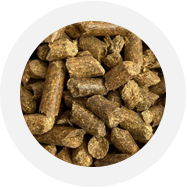
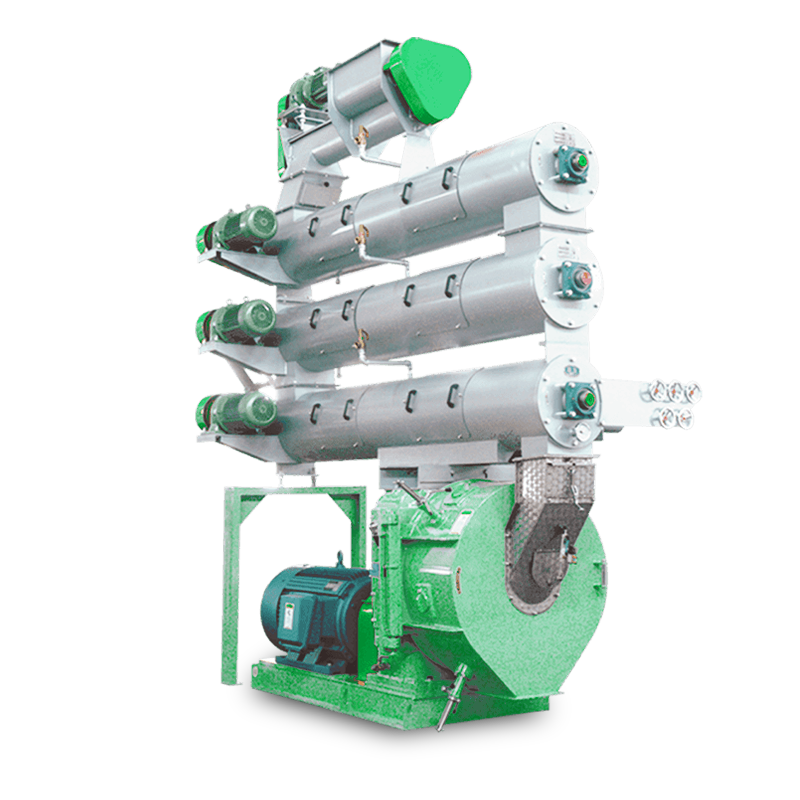
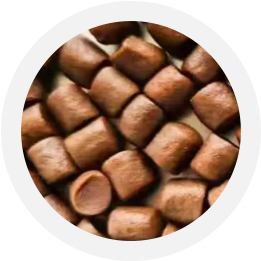
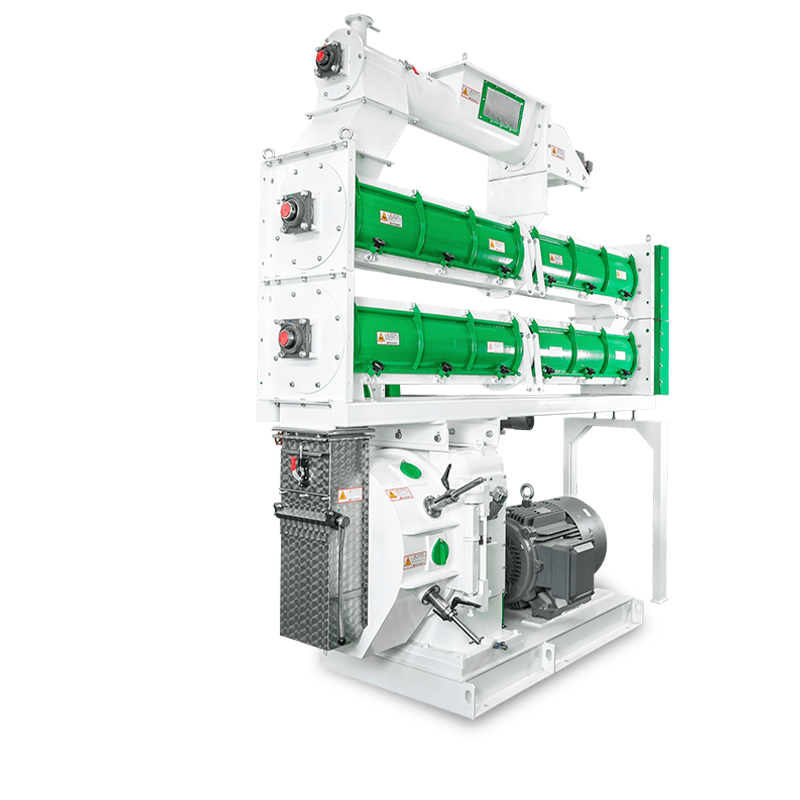
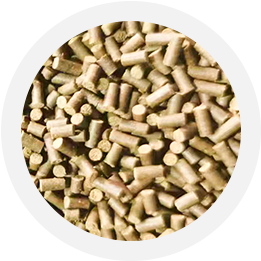
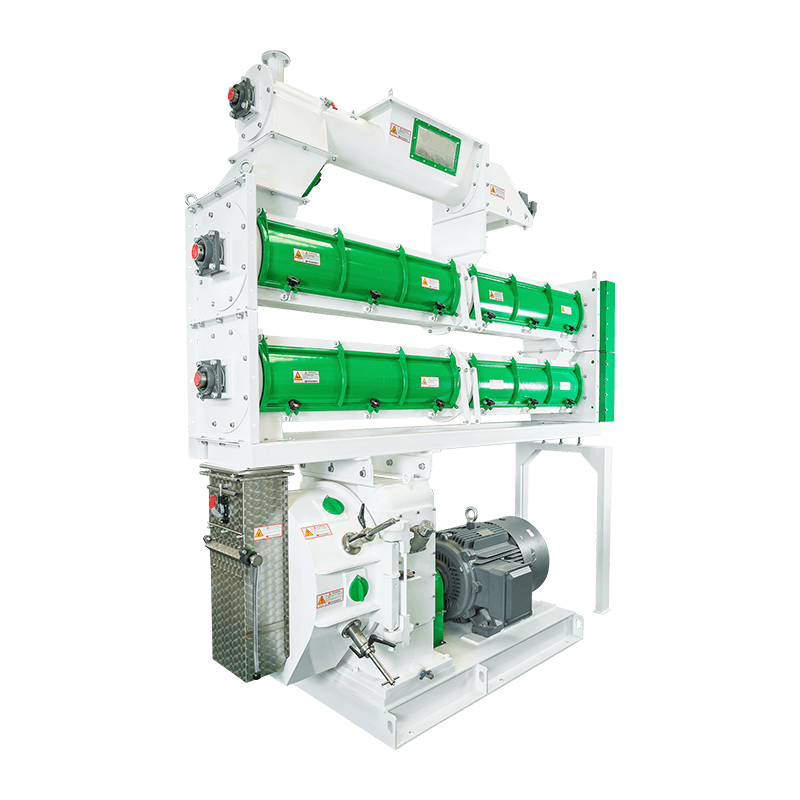
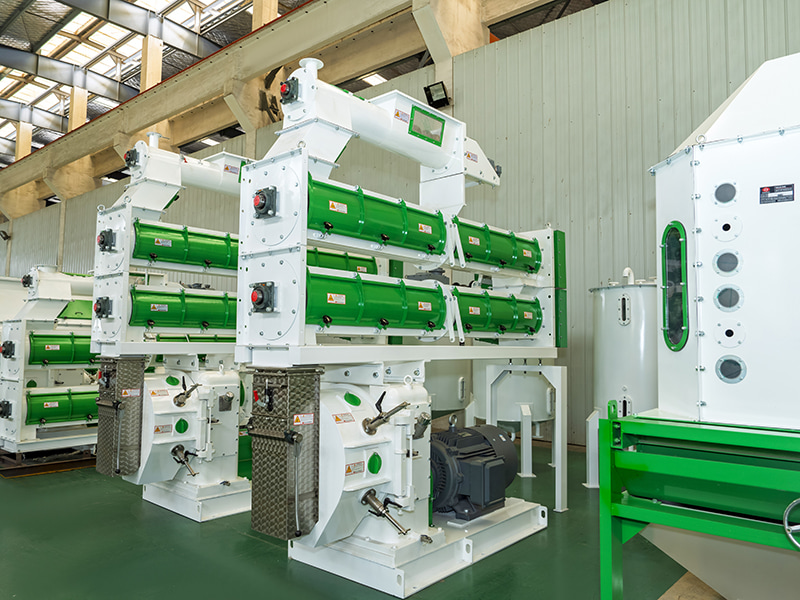
    Pellet Mill
    1. Stainless steel feeder with variable pitch anti-bridging mechanism and frequency conversion speed...
    View More
    Goldlong Machinery And Engineering Co., Ltd.
  • Product Category
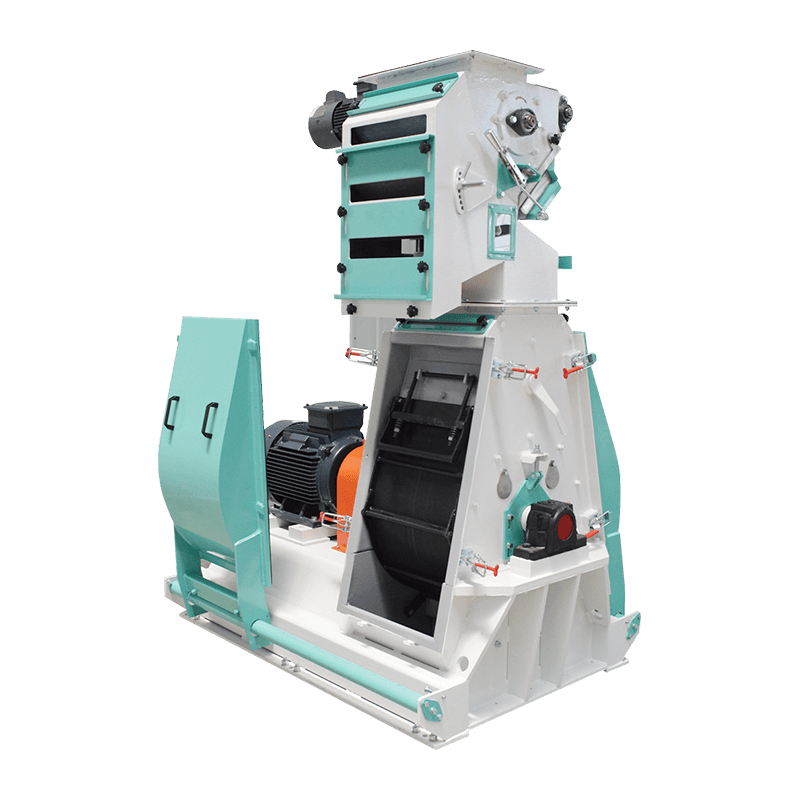
    Hammer Mill
    Engineered for versatility and high throughput, our teardrop-shaped hammer mills optimize material f...
    View More
    Goldlong Machinery And Engineering Co., Ltd.
  • Product Category
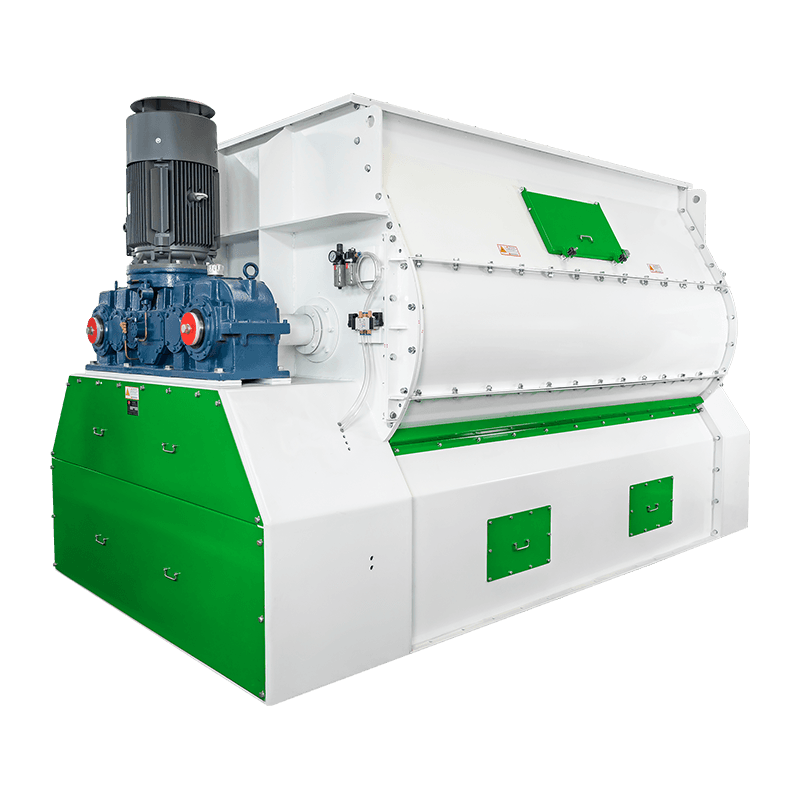
    Mixer
    Feed mixing equipment is a key process tool for achieving thorough mixing, homogenization, and dispe...
    View More
    Goldlong Machinery And Engineering Co., Ltd.
  • Product Category
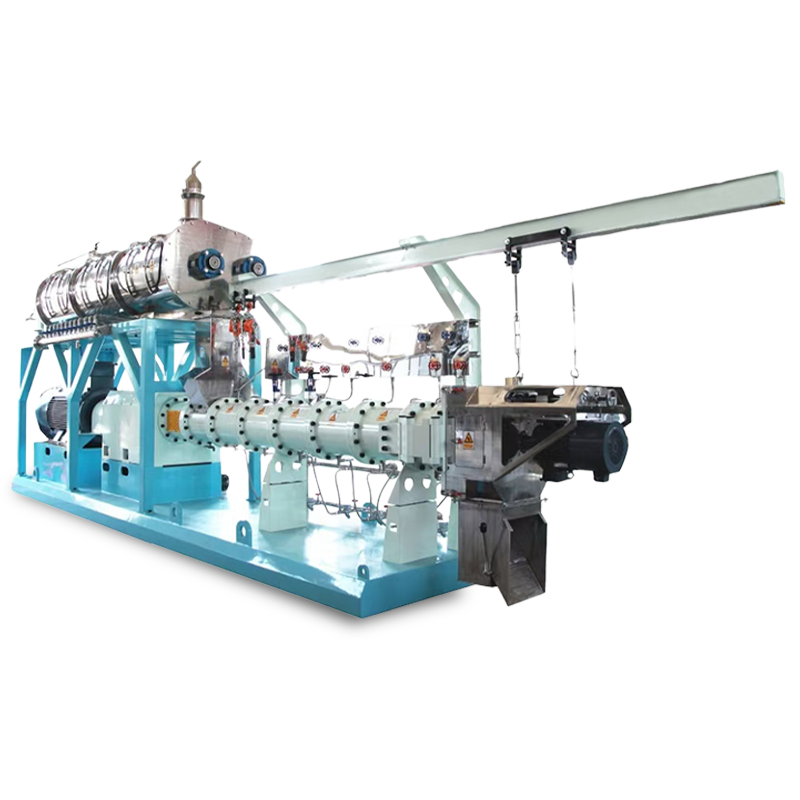
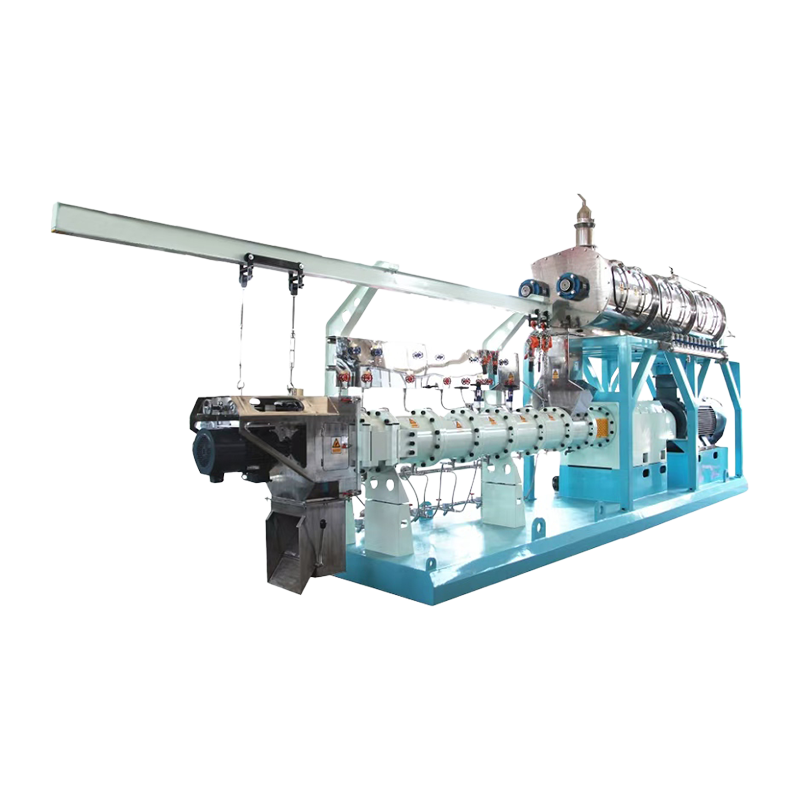
    Extruder
    Extrusion equipment is primarily used for producing various types of extruded feed, widely applied i...
    View More
    Goldlong Machinery And Engineering Co., Ltd.
  • Product Category
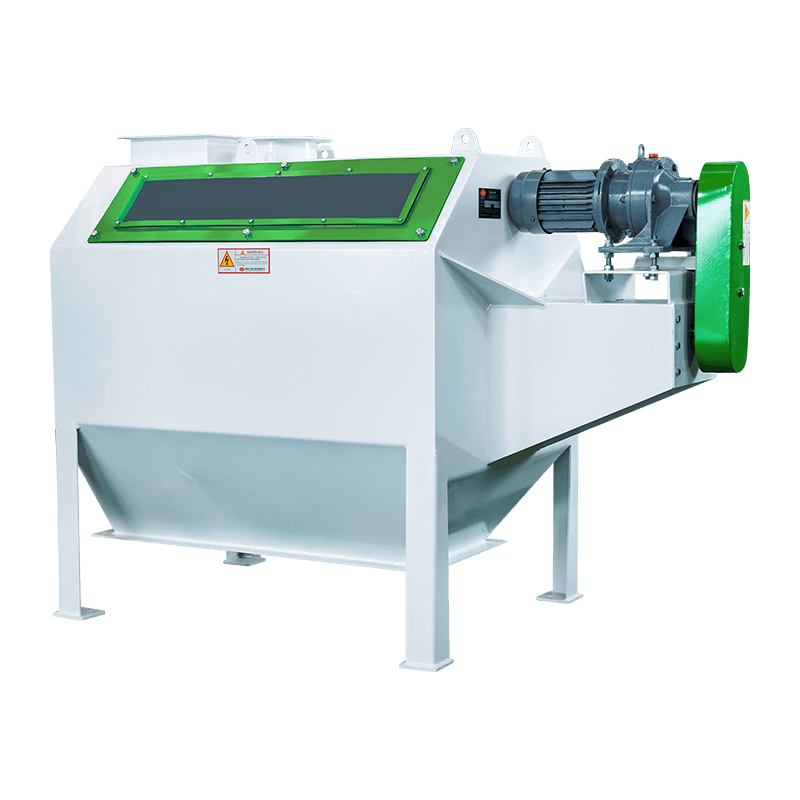
    Pre-Cleaner
    Cleaning equipment refers to a class of devices specifically designed to reduce dust concentration i...
    View More
    Goldlong Machinery And Engineering Co., Ltd.
  • Product Category
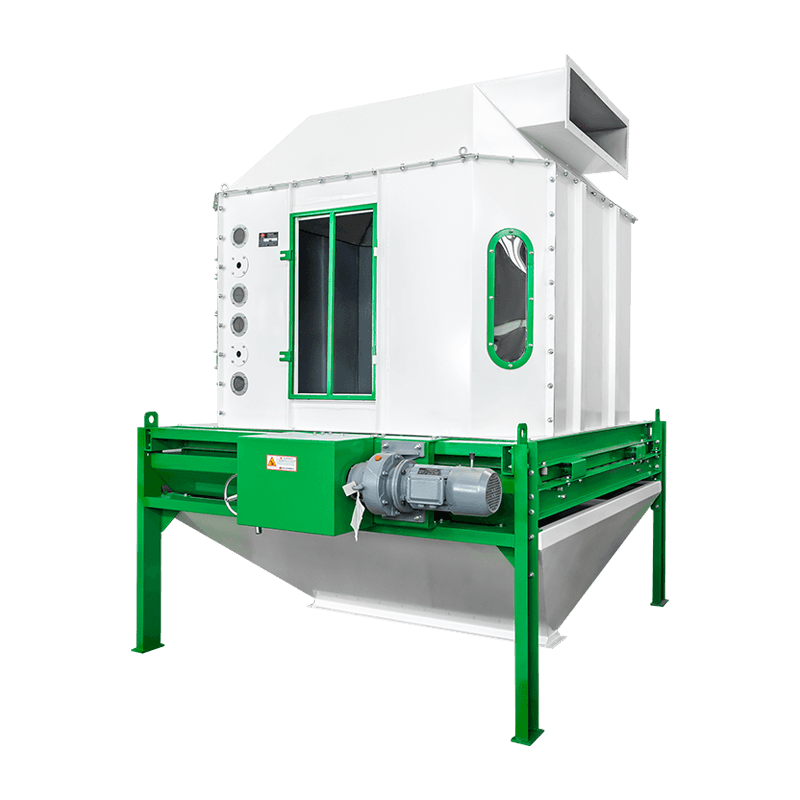
    Cooler
    Cooling equipment is primarily used for coolin  granular materials. The cooling equipment utilizes a...
    View More
    Goldlong Machinery And Engineering Co., Ltd.
  • Product Category
    Crumbler
    Crushing equipment uses mechanical force to break, pulverize, or reduce the particle size of large o...
    View More
    Goldlong Machinery And Engineering Co., Ltd.
  • Product Category
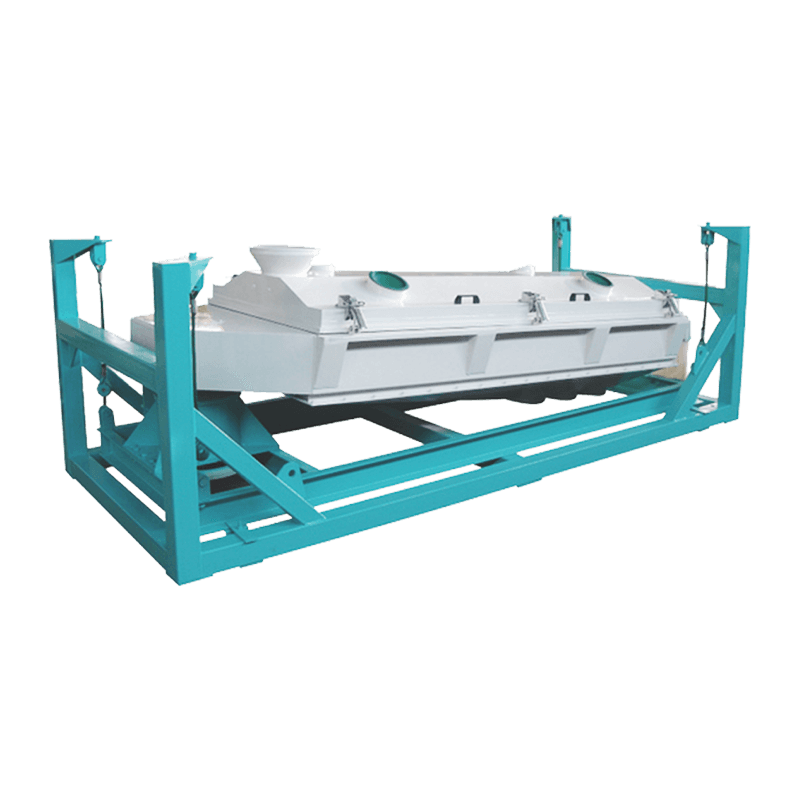
    Rotary Sifter
    Screening equipment is mainly used for grading, screening, and impurity removal of granular material...
    View More
    Goldlong Machinery And Engineering Co., Ltd.
  • Product Category
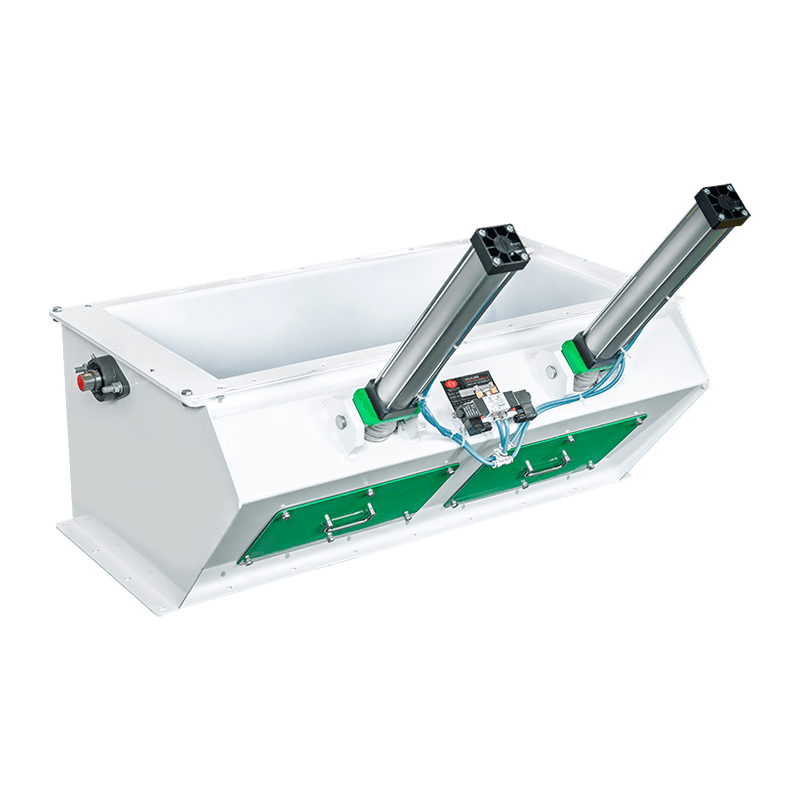
    Oil and Liquid Adding System
    Oil and liquid additive and spraying equipment is primarily used for surface spraying of pelleted an...
    View More
    Goldlong Machinery And Engineering Co., Ltd.
  • Product Category
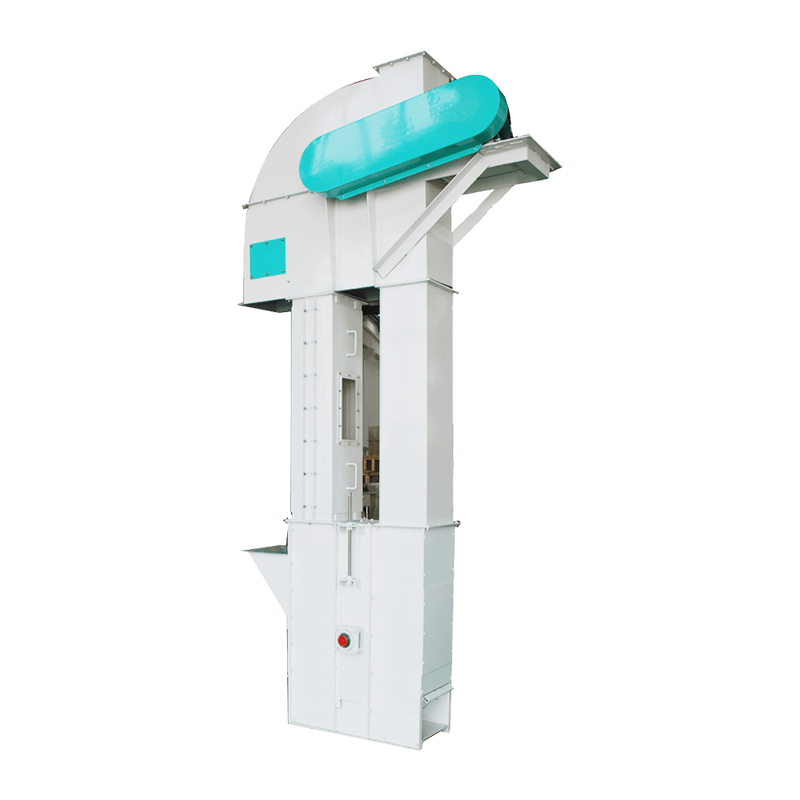
    Bucket Elevator and Conveyor
    Lifting and conveying equipment is used for the vertical or inclined transport of materials, enablin...
    View More
    Goldlong Machinery And Engineering Co., Ltd.
  • Product Category
    Other Auxiliary
    Other auxiliary equipment encompasses various functional supporting devices in the production proces...
    View More
    Goldlong Machinery And Engineering Co., Ltd.
  • Product Category
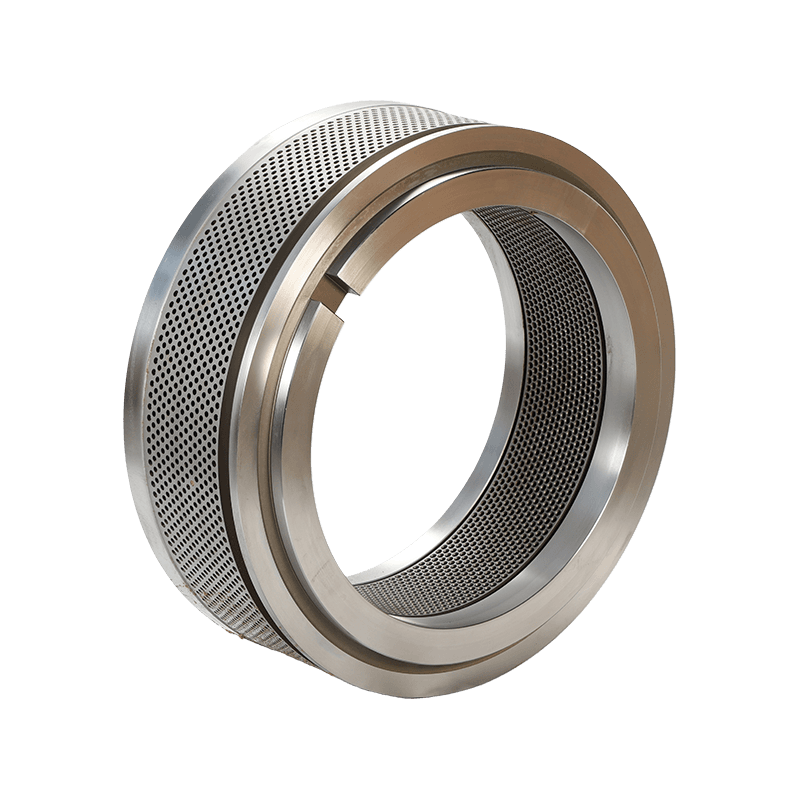
    Spare Parts
    As a crucial component of mechanical equipment, Accessories undertake core functions such as transmi...
    View More
    Goldlong Machinery And Engineering Co., Ltd.
  • Pellet Mill
  • Hammer Mill
  • Mixer
  • Extruder
  • Pre-Cleaner
  • Cooler
  • Crumbler
  • Rotary Sifter
  • Oil and Liquid Adding System
  • Bucket Elevator and Conveyor
  • Other Auxiliary
  • Spare Parts
About Us

Focus·Innovation·Integrity

Goldlong Machinery is specialized in feed machinery, grain dryer and compound fertilizer machinery, and provides the projects with turn-key basis, from design, engineering, manufacturing, installation, commissioning to after-sale service, and we also provide spare parts and the training for machinery operation, maintenance, technical support.
  • 0

    Factory Area

  • 0

    Established In

  • 0+

    Employees

Our Factory

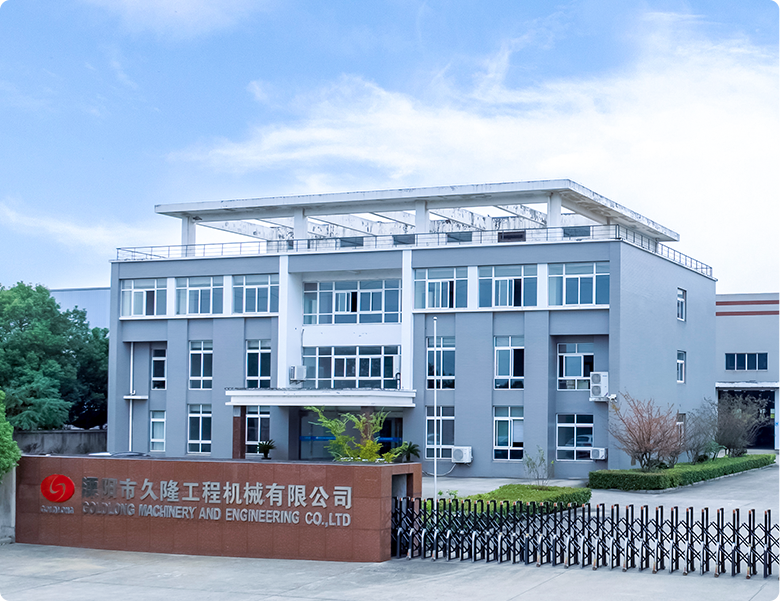
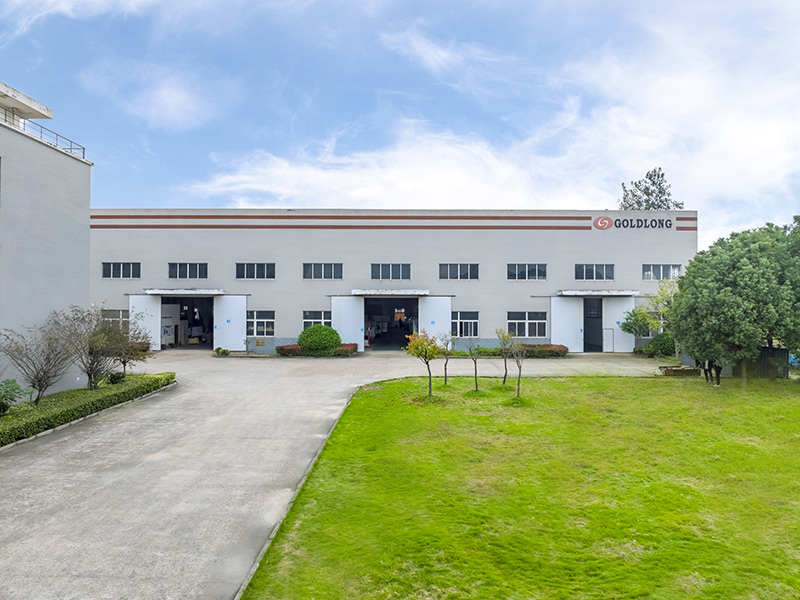
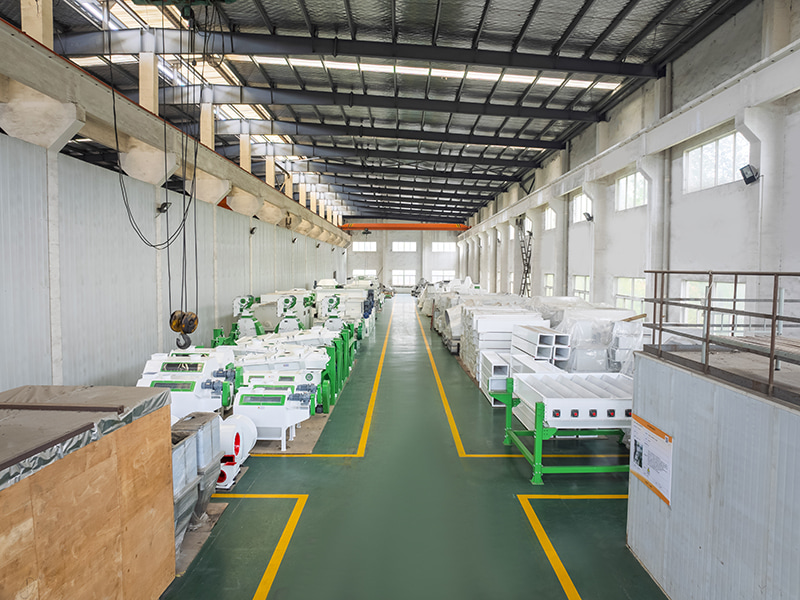
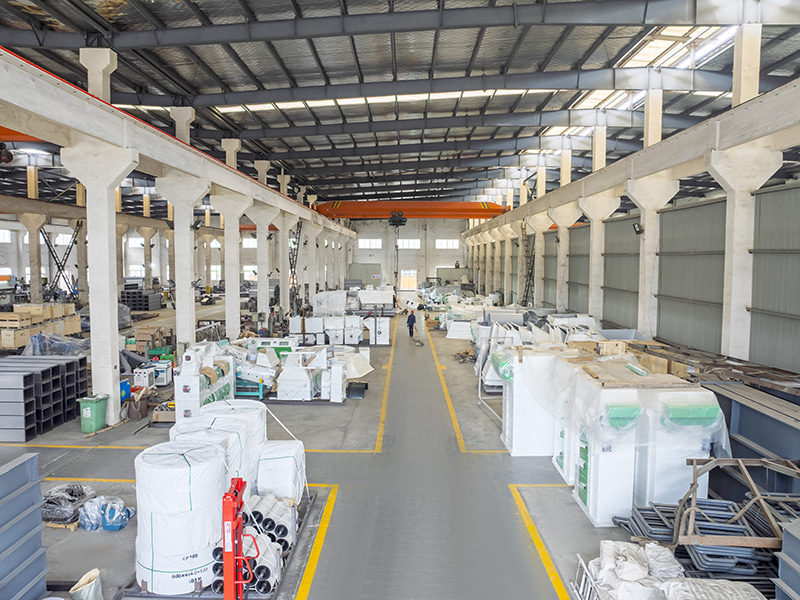
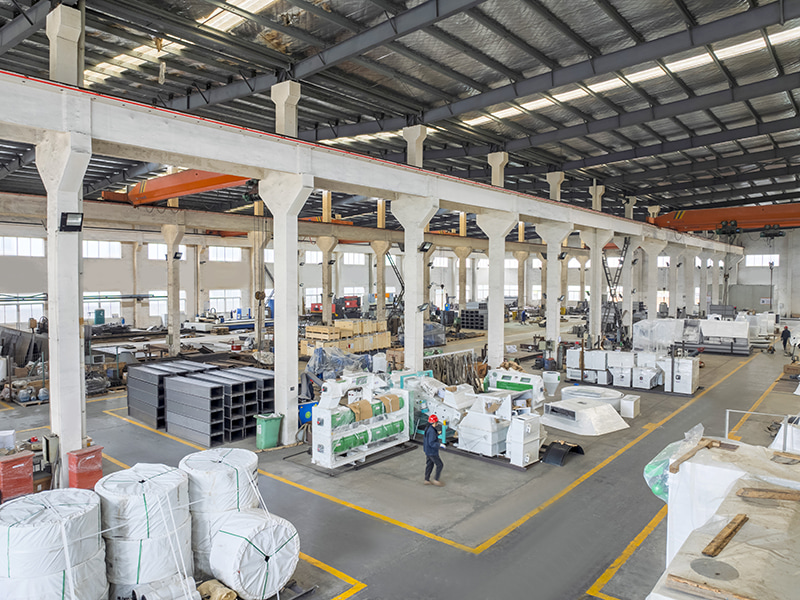
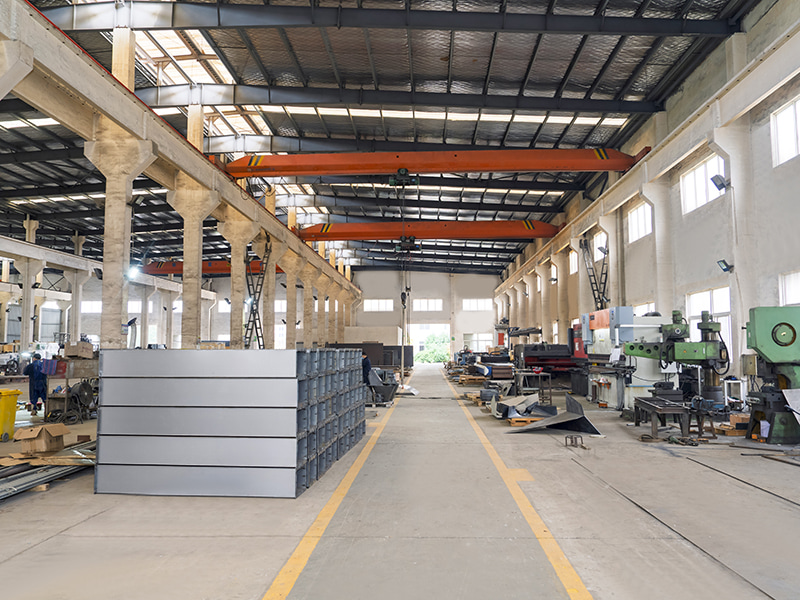
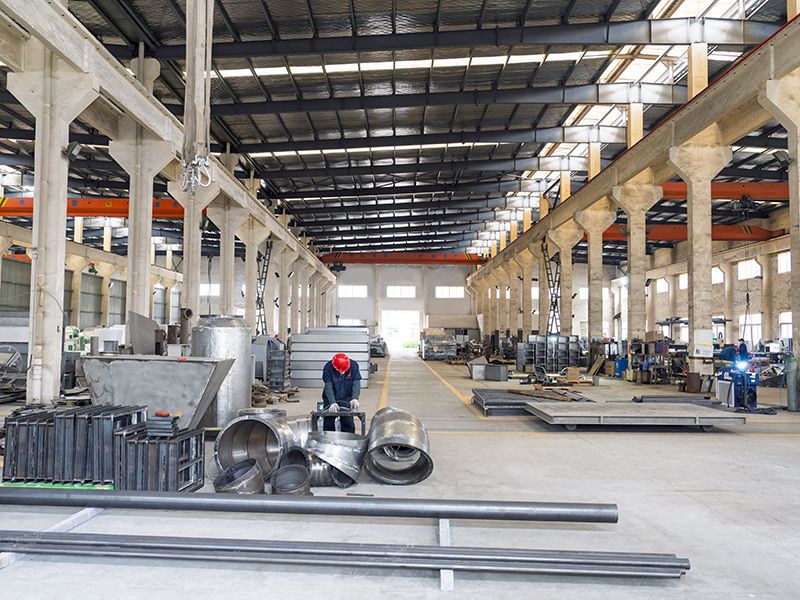
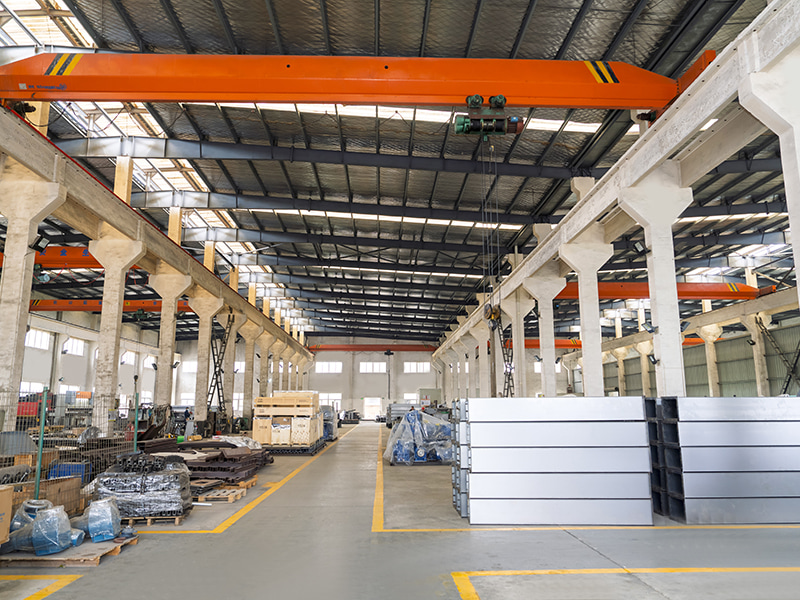
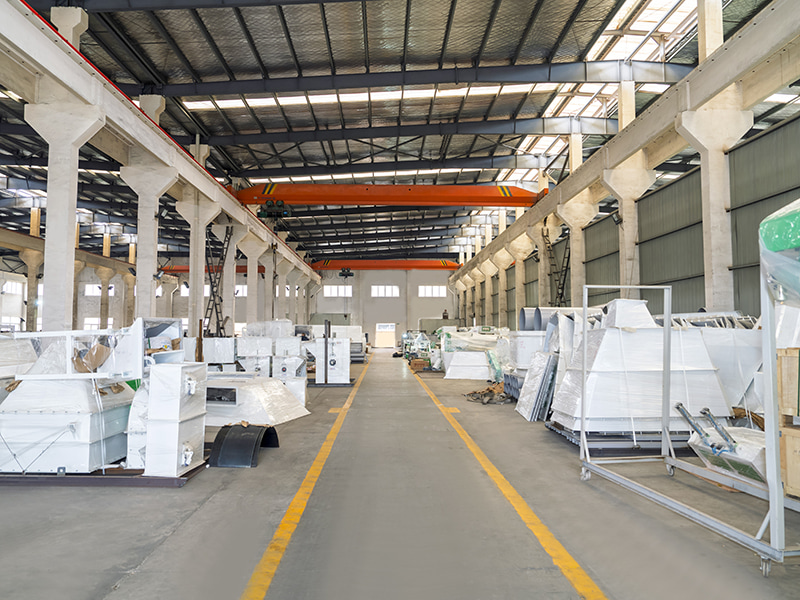
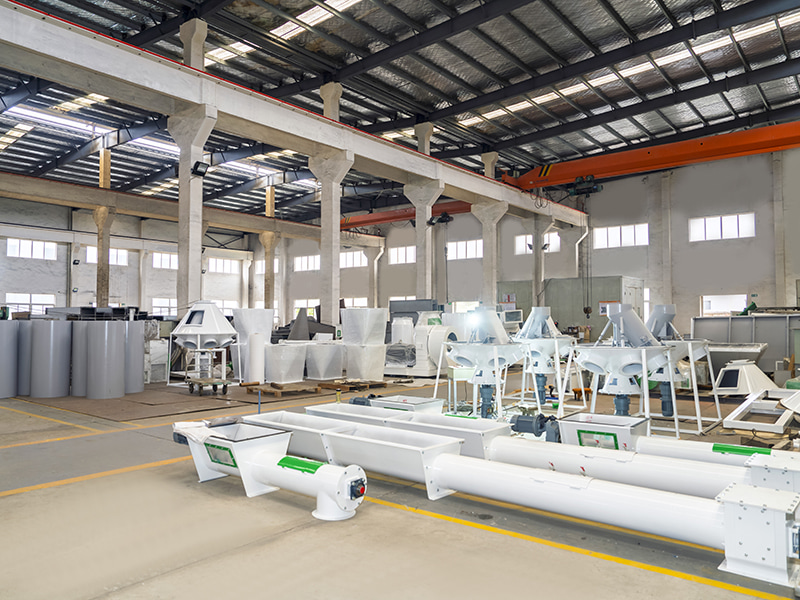
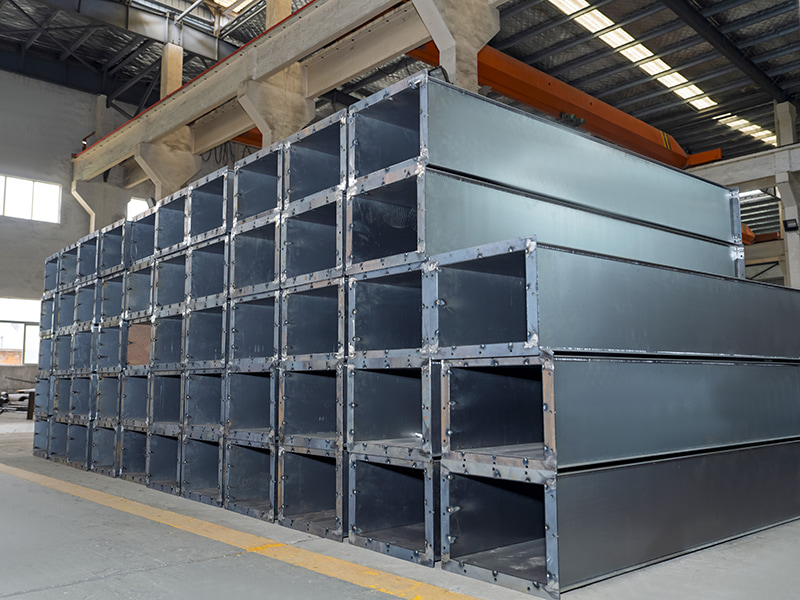
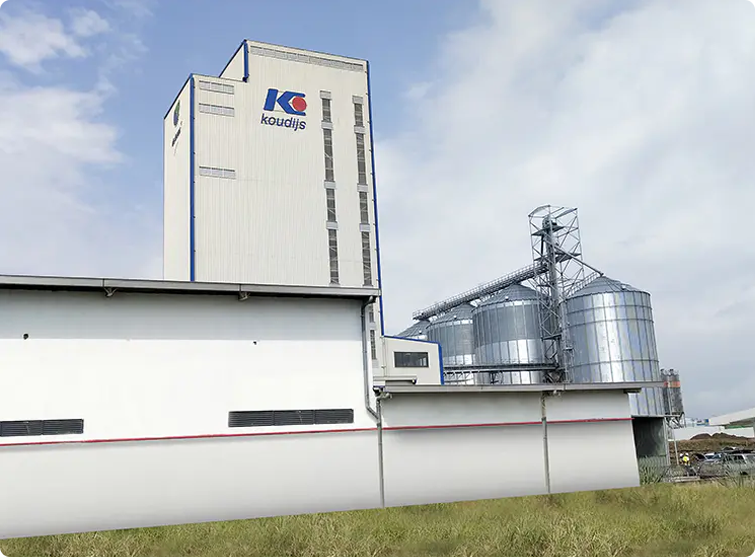
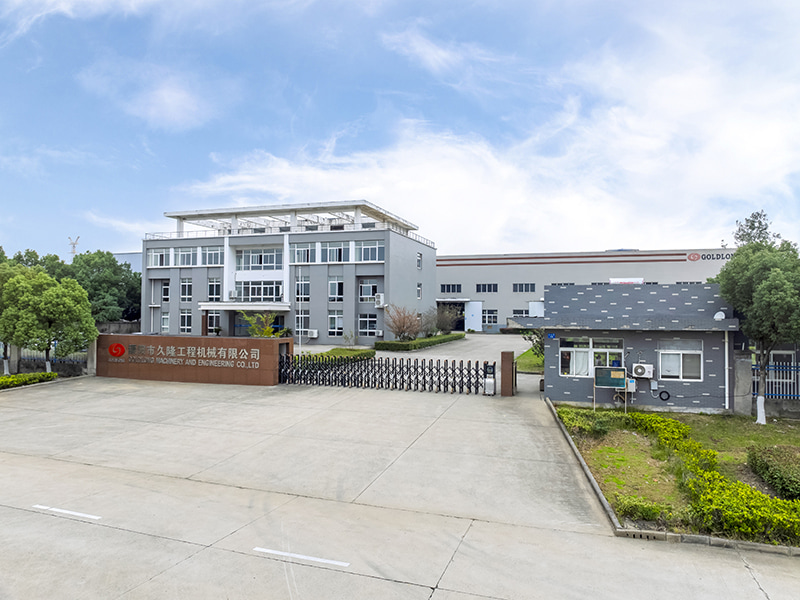
With our own 14,000 m² manufacturing facility, we maintain full control over production, assembly, and quality management. Our automated systems are designed to be safe, reliable, and cost-effective, securing your success for the long run.
View More
What Can You Get?

Applications and Commodities

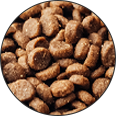
  • Mesh Feed

  • Pet Food

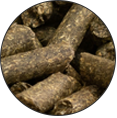
  • Pellet Feed

  • Premix Feed

  • Auqa Feed

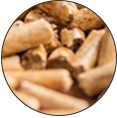
  • Biomass Wood Pellet

Customer Projects.

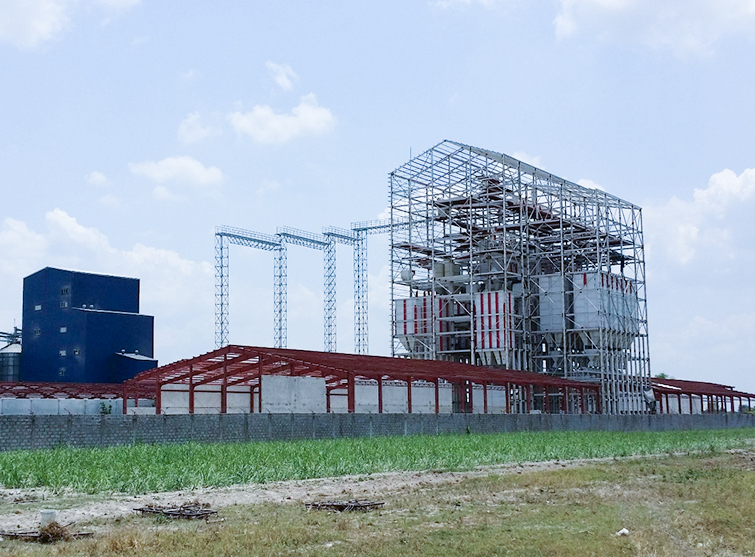
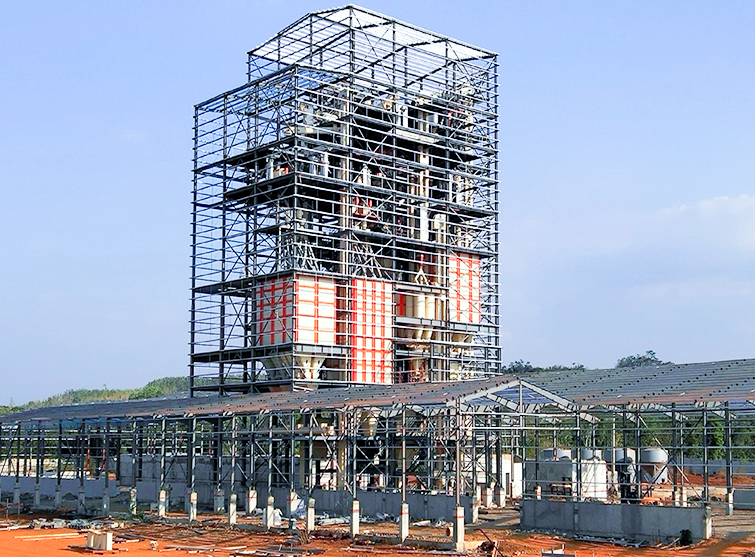
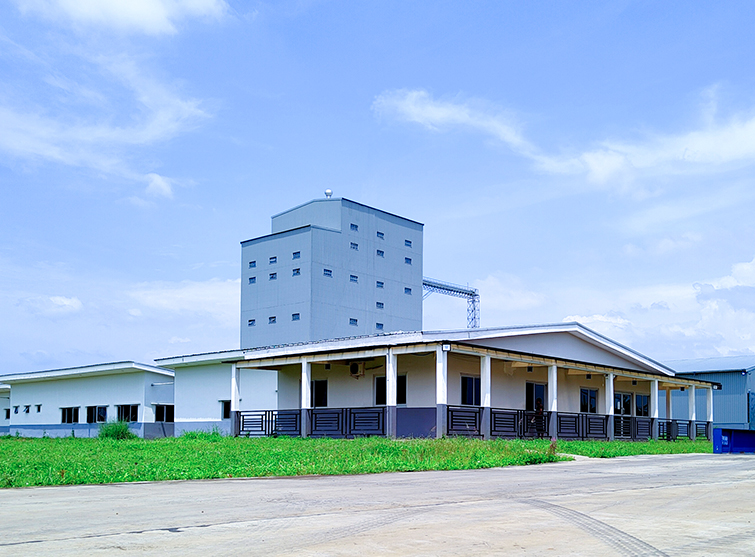
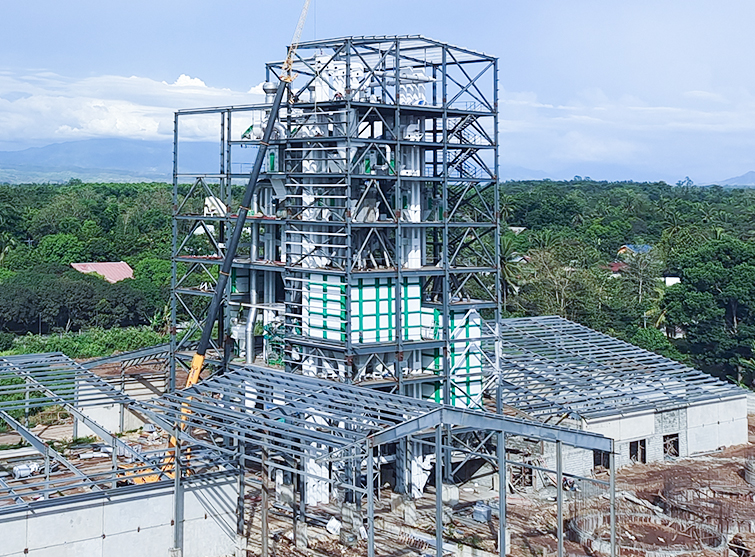
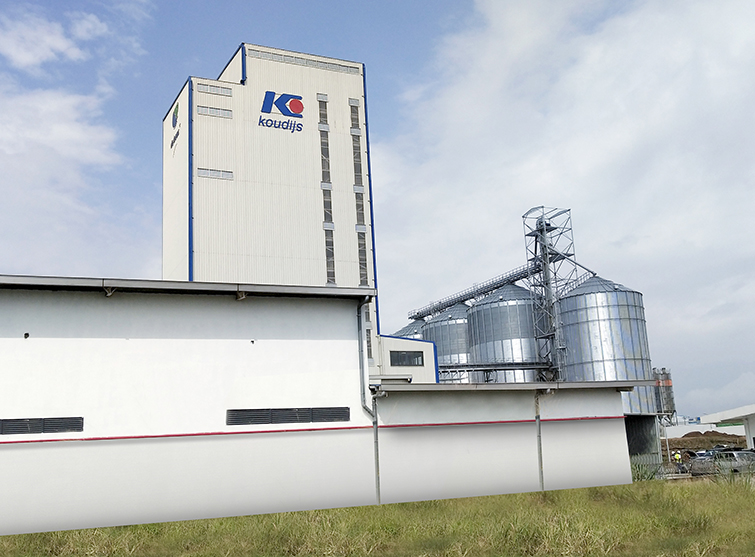
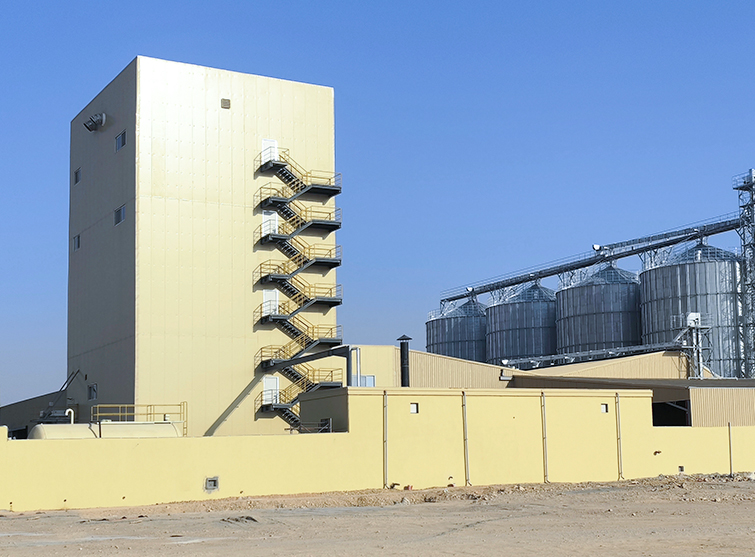
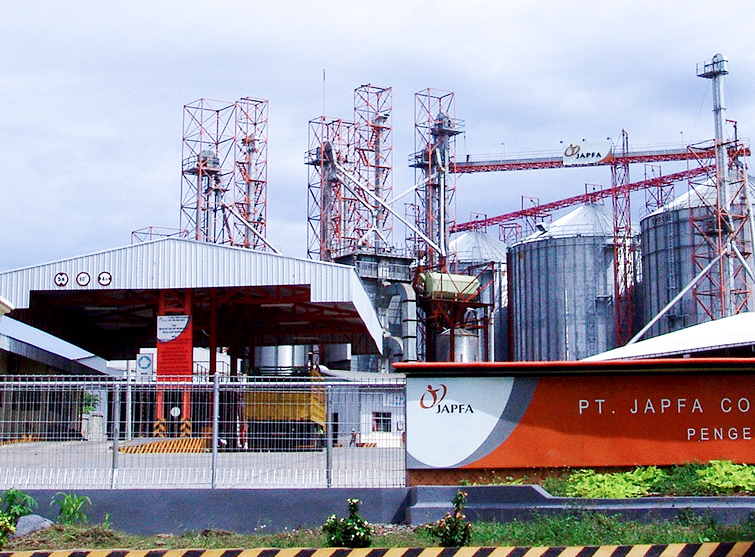
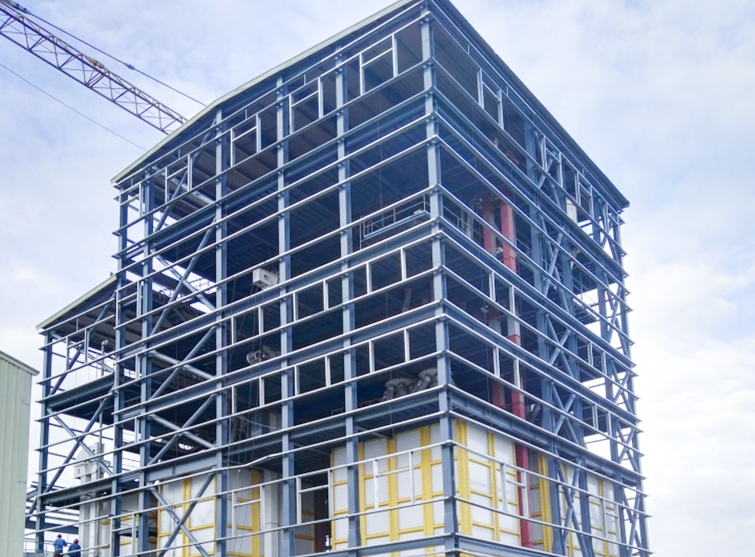
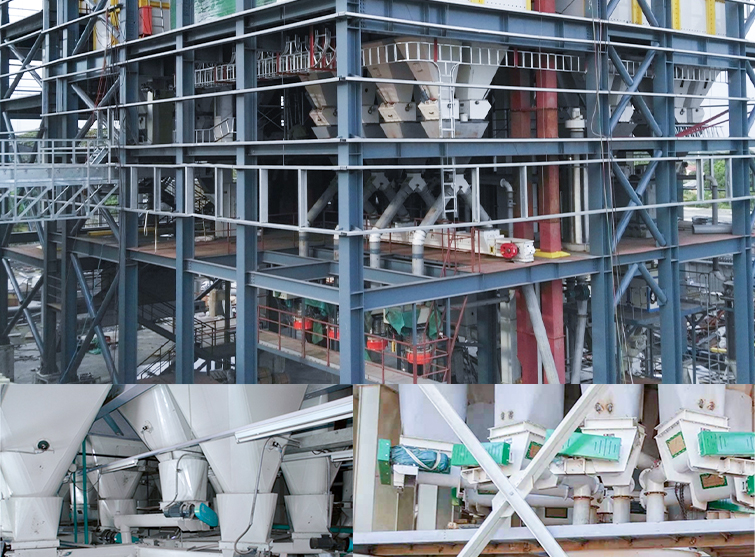
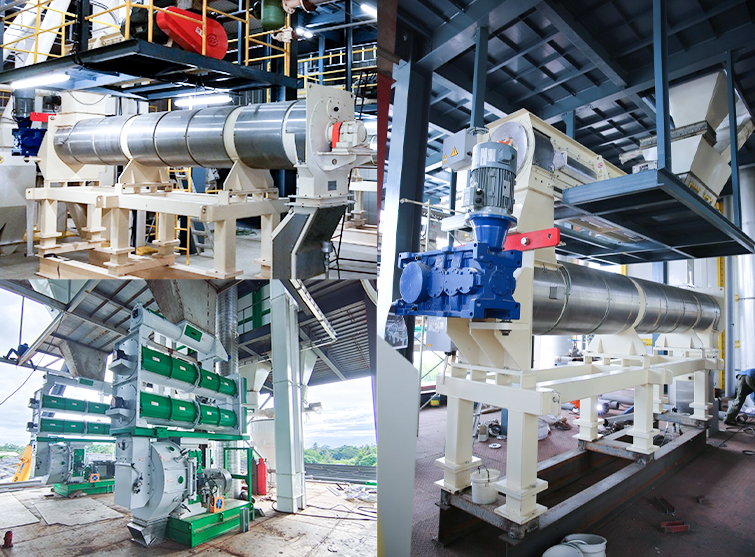
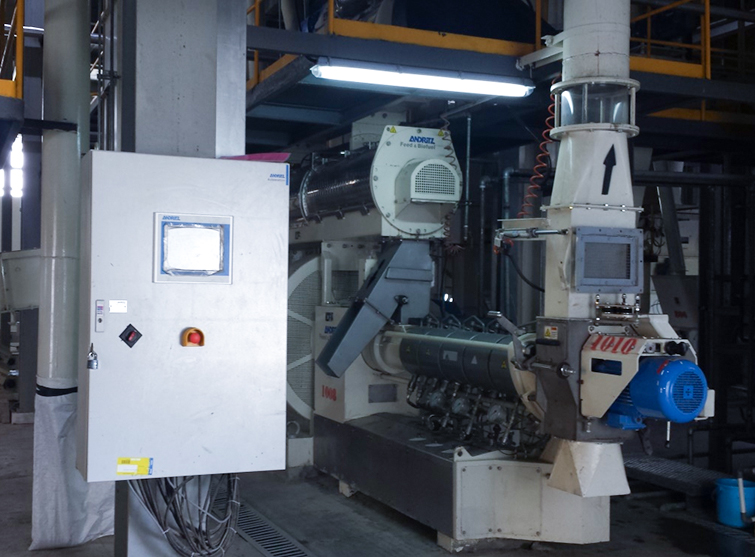
Turnkey Feed Mill Projects

View More

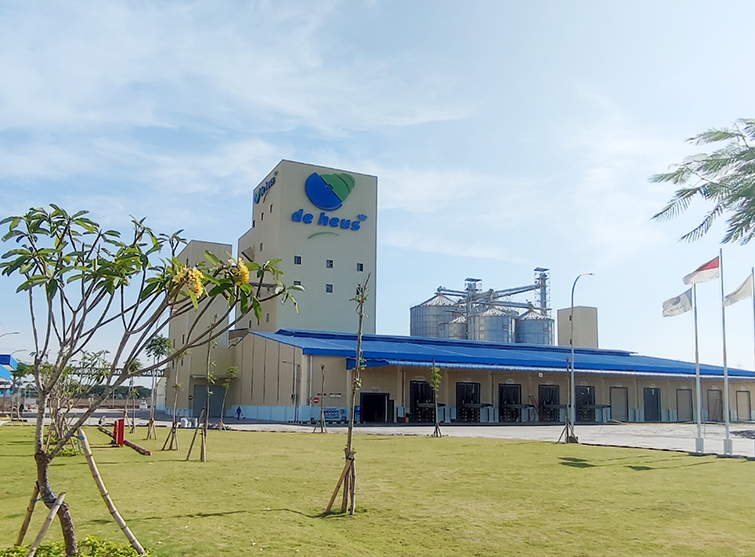
Poultry Feed Production Line

Turnkey feed project for Deheus in Africa.

  • 100t/h with four pellet lines

  • 60 t/h Poultry Feed Production Line with Two Pellet Lines

  • 40t/h with two pellet line

  • 40t/h with two pellet line

  • 40t/h Poultry feed line

  • 60t/h Poultry feed line

  • 45t/h Poultry feed line

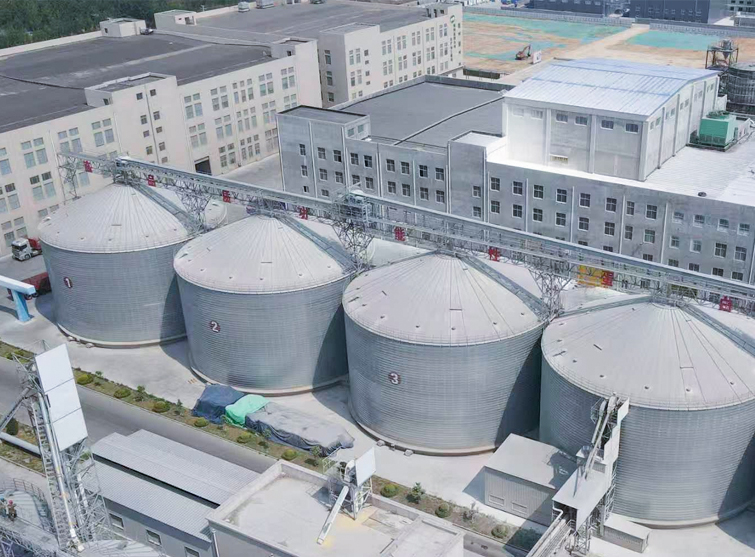
  • Silo and Dryer Project

  • Dosing System and Bins

  • Dosing System and Bins

  • Pelleting System

  • Pelleting System

  • Distributing System

  • Packing System

  • Electric Control System

  • Grain Drying

  • Raw Material Handling & Storage

What’S News.

Pay Attention To Our
Latest News and Exhibitions

View More
  • 2026-01-16 Industry News

    Granular Grinding Process of Feed Processing Machinery

    In the production of feed processing machinery, the grinding process plays a critical role in determining product quality, production efficiency, and overall energy consumption. As feed formulations and industrial standards continue to evolve, grinding technology has become one of the core focuses in modern feed manufacturing. Classification of Grinding Processes From a practical production perspective, feed grinding processes are generally classified into single-stage grinding and two-stage grinding, depending on the number of grinding operations applied to raw materials. Single-stage grinding is widely used due to its simple process flow and relatively low equipment investment. This method requires fewer machines, occupies less space, and is easier to operate and maintain. However, its limitations are also evident. In some cases, single-stage grinding may result in uneven particle size distribution and higher power consumption, especially when processing raw materials with varying hardness or fiber content. Advantages of Two-Stage Grinding To address these shortcomings, two-stage grinding technology has been developed and applied in certain feed production scenarios. This process allows raw materials to be ground in two consecutive steps, resulting in more uniform particle size, higher production output, and lower overall energy consumption per unit of product. These advantages are particularly significant for high-quality compound feed production. Nevertheless, the two-stage grinding process requires greater initial equipment investment, higher installation costs, and more complex system management. As a result, its application is generally limited to large-scale or high-end feed manufacturers with higher quality requirements. Current Industry Practices At present, the majority of feed mills still rely on single-stage grinding processes, balancing cost efficiency and production needs. In compound feed production, granular materials typically account for 60%–70% of the total formulation, making the selection of appropriate grinding equipment especially important. When selecting a grinder, manufacturers usually ensure that the designed production capacity exceeds the actual production demand of the feed mill. The reserved capacity allows sufficient time for routine maintenance, inspection, and replacement of wear parts, thereby ensuring stable long-term operation. Outlook As energy efficiency requirements and feed quality standards continue to rise, grinding process optimization will remain a key direction for technological improvement in feed processing machinery. In the future, more feed manufacturers may adopt flexible or hybrid grinding solutions to achieve a better balance between investment cost, product quality, and operational efficiency.
    Learn More
  • 2026-01-16 Industry News

    Operation and Maintenance of Feed Processing Machinery

    Feed processing machinery plays a critical role in modern feed production, directly affecting production efficiency, product quality, and operational safety. After installation and commissioning are completed, users must pay close attention to proper operation and routine maintenance before the equipment is officially put into production. Before starting daily operations, operators are required to carefully read the equipment instruction manual and fully understand the machine’s structural design, working principles, performance characteristics, and operating procedures. All operations should be carried out strictly in accordance with the specified operating guidelines. In addition, routine inspections should be conducted based on operational requirements and safety precautions to ensure stable and reliable equipment performance.   Under normal conditions, feed processing machinery undergoes multiple inspections, calibrations, and performance tests before leaving the factory. Key components such as motors are sealed after inspection, and couplings are precisely aligned during factory setup. Users are strongly advised not to loosen, adjust, or modify these components without authorization, as improper adjustments may compromise operational stability and safety.   During equipment operation, regular maintenance is essential. Operators should periodically clean iron impurities from permanent magnet drums and the permanent magnet plates of feeders to prevent metal contaminants from entering the processing system. This practice helps protect downstream equipment, reduce wear and damage, and maintain consistent production quality.   At the same time, close attention should be paid to the fineness of the processed feed materials. Operators must regularly check whether the particle size of the finished product meets production requirements. If deviations are detected, appropriate adjustments or maintenance measures should be taken promptly to ensure product consistency. Industry experience shows that standardized operation combined with systematic maintenance is fundamental to achieving efficient, safe, and sustainable feed production. By strictly following operating procedures and implementing regular inspection and cleaning routines, feed producers can effectively reduce equipment failures, extend service life, and ensure stable product quality.
    Learn More
  • 2026-01-16 News

    Feed Machinery Selection and Installation

    In feed production, the proper selection and installation of feed processing machinery are essential to ensuring stable operation, consistent feed quality, and efficient production. Equipment performance directly affects output, energy consumption, and overall manufacturing costs, while also influencing feed nutritional consistency and animal feeding efficiency. When selecting feed machinery, manufacturers should base their decisions on actual production requirements, including production scale, feed formulations, and raw material characteristics. Equipment capacity should be reasonably matched to production demand, with sufficient allowance for maintenance and future expansion. At the same time, reliability, processing consistency, and energy efficiency are key factors that determine long-term operational performance. Correct installation and commissioning are equally critical. Equipment must be installed and aligned according to technical specifications, with key components such as motors and couplings accurately calibrated. Comprehensive trial runs after installation help ensure stable operation, coordinated system performance, and safe production conditions. In practice, well-matched and properly installed feed machinery contributes to lower energy consumption, reduced downtime, and extended service life. Stable equipment operation also ensures uniform particle size and consistent processing quality, supporting efficient feed utilization and improved livestock performance.
    Learn More