

 English
 русский
 عربى
عربىBucket Elevator and Conveyor

Product Category
Contact Us
Product Catalog
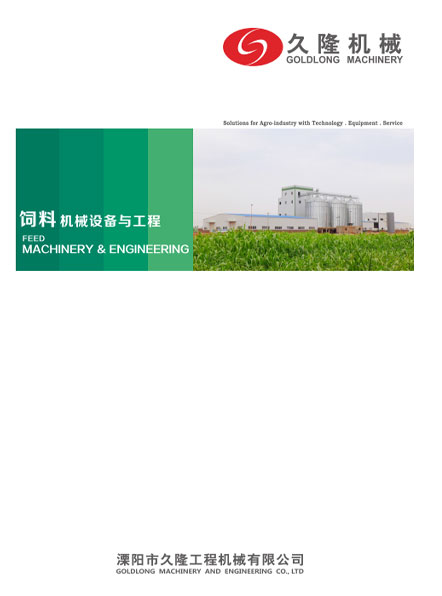
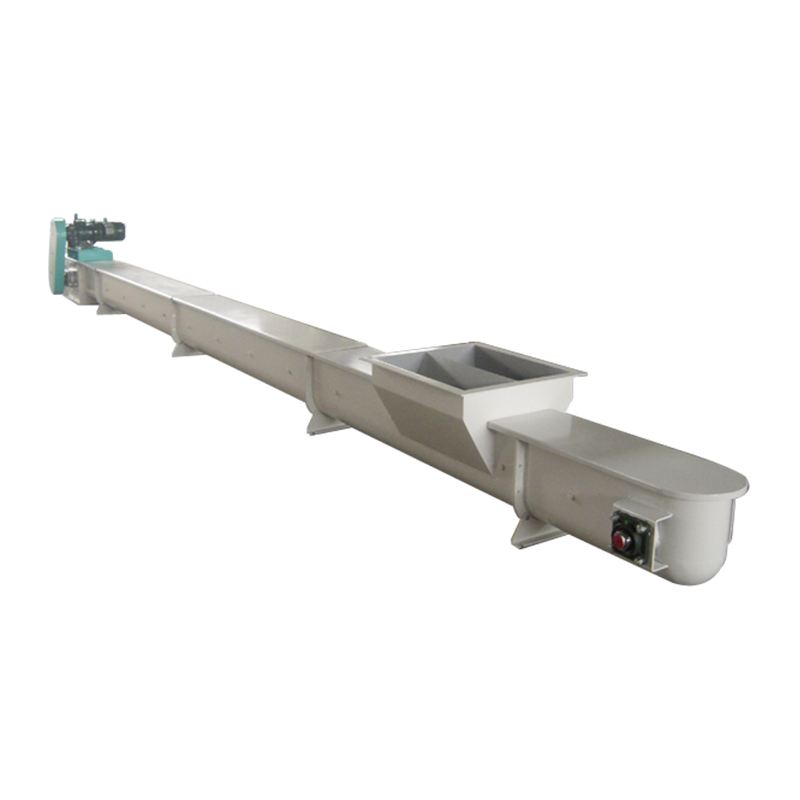
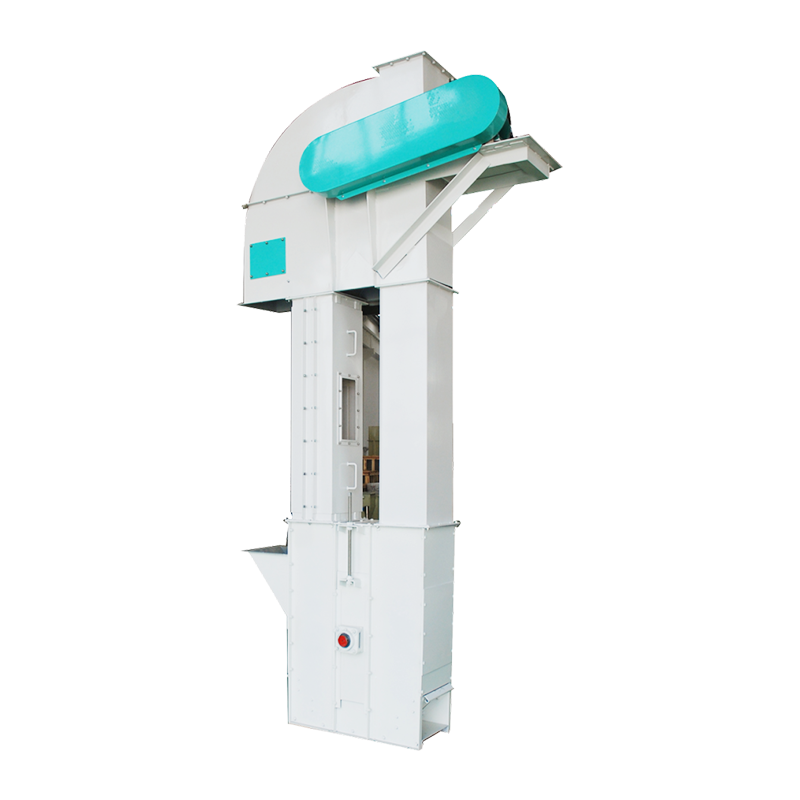
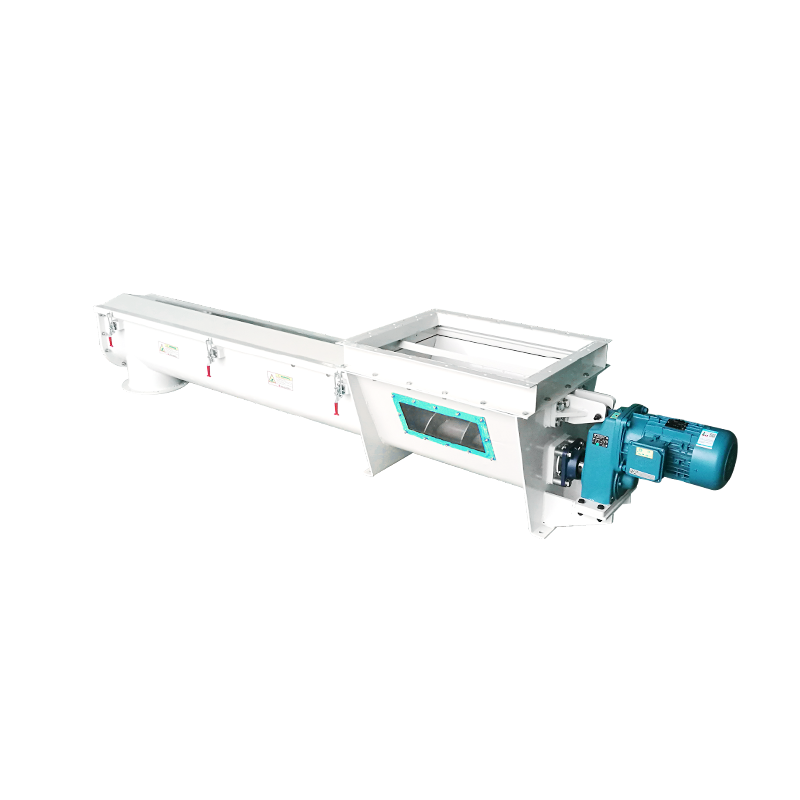
Bucket Elevator and Conveyor
Lifting and conveying equipment is used for the vertical or inclined transport of materials, enabling efficient material handling from one process stage to another. This type of equipment is diverse, including bucket elevators, screw elevators, vertical belt conveyors, and chain conveyors, and can adapt to the conveying needs of granular, powdery, lumpy, and bulk materials. Lifting and conveying equipment features a compact structure, small footprint, stable operation, large conveying capacity, and low energy consumption. It can also be flexibly designed and arranged according to process requirements, and is widely used in industries such as feed, chemicals, mining, and pharmaceuticals. In applications requiring high lifting height and conveying capacity, the equipment can achieve continuous, efficient, and safe material transport, significantly improving production efficiency and automation levels.

About Us
Focus·Innovation·Integrity
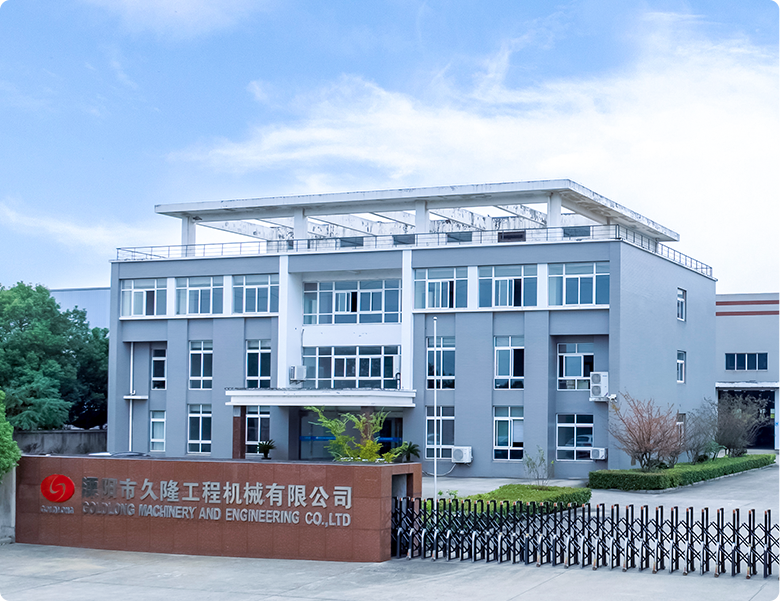
Goldlong Machinery is specialized in feed machinery, grain dryer and compound fertilizer machinery, and provides the projects with turn-key basis, from design, engineering, manufacturing, installation, commissioning to after-sale service, and we also provide spare parts and the training for machinery operation, maintenance, technical support.
-

0㎡
Factory Area
-

0
Established In
-

0+
Employees
What’S News.
Pay Attention To Our
View All News
Pay Attention To Our
Latest News and Exhibitions
-
Quick Links
Home Product Center About GOLDLONG Solutions News Contact Us -
Prducts Categories
Pellet Mill Hammer Mill Mixer Extruder Pre-Cleaner Cooler Crumbler Rotary Sifter Oil and Liquid Adding System Bucket Elevator and Conveyor Other Auxiliary Spare Parts -
Contact Us
+86-13915884315+86-519-87987889
No.19, Binhe Rd, Tianmuhu Dev't Zone, Liyang City, Jiangsu, China -
Ready to Get Started?
Get in Touch Now!
-
Copyright © 2025 by Goldlong Machinery And Engineering Co., Ltd. All Rights Reserved.

